
Skip to content
Juba Green Energy
02 / INDUSTRIESIndustry applications

Define the energy system by service continuity

Different infrastructure carries different risk. We design from the availability target, load type, maintenance conditions, backup strategy and reporting responsibility.

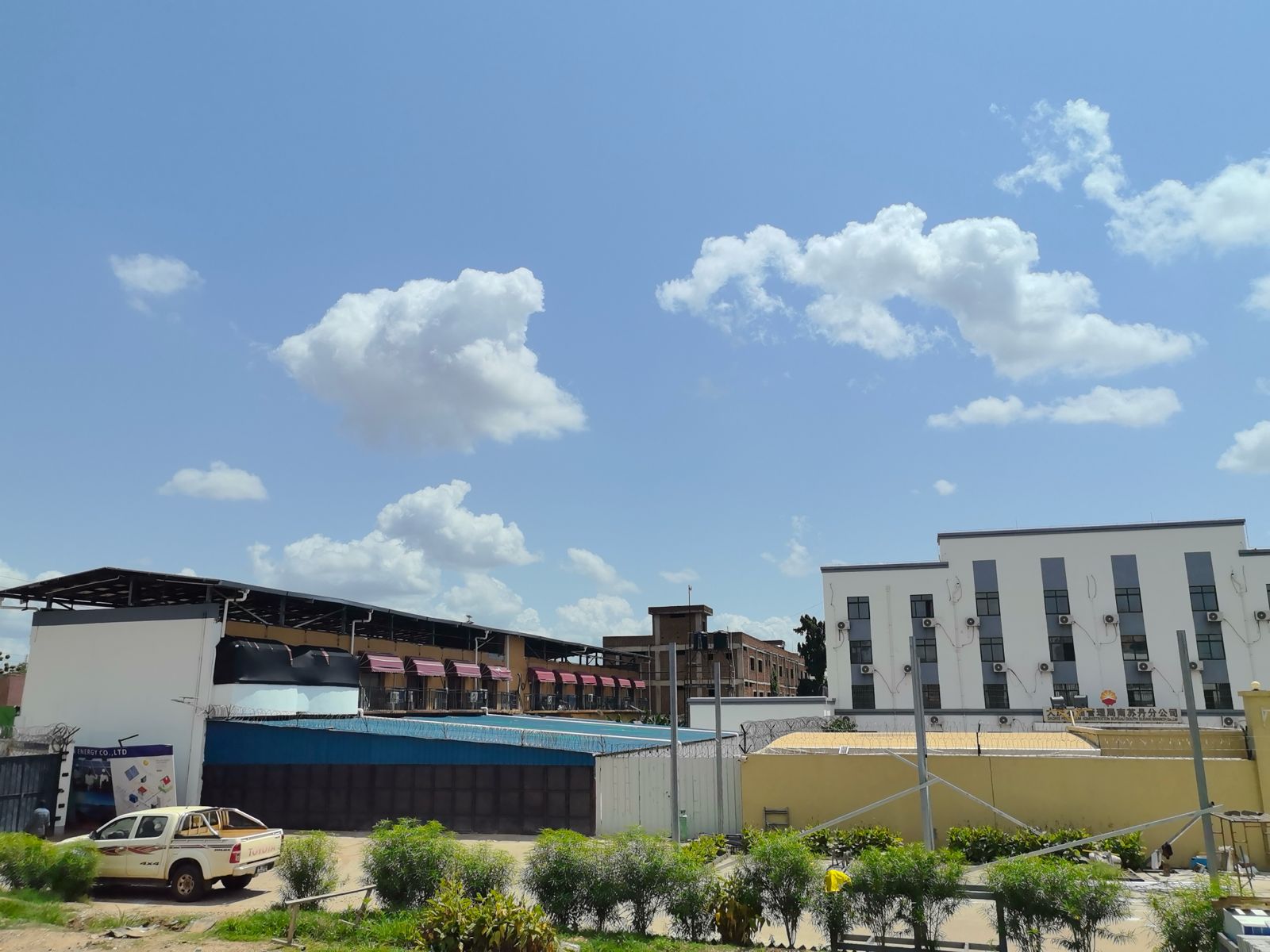
Solar-powered commercial infrastructure installation in Juba

Field systems

Solar · Storage · Controls · O&M

01

Network availability

Telecommunications

For macro sites, rural and remote base stations, off-grid and weak-grid sites, and multi-site modernization.

01

Reduce dependence on continuous generator operation

02

Improve remote-site visibility and alarm response

03

Size battery capacity around load and autonomy

04

Support standardized portfolio rollout and O&M
02

Public-service reliability

Government & Public Services

For government offices, health, education, security, water and public data infrastructure.

01

Maintain critical services through grid interruption

02

Classify and manage critical versus non-critical loads

03

Provide transparent operations and maintenance reporting

04

Build long-term spares, training and lifecycle support

03

Energy resilience

Commercial & Industrial

For offices, warehouses, hotels, banks, retail and industrial loads.

01

Reduce reliance on costly conventional supply

02

Improve continuity and long-term cost predictability

03

Design around daytime and nighttime load curves

04

Support future capacity expansion and asset monitoring

04

Pumping continuity

Water & Agriculture

For solar pumping, treatment, water storage, agriculture and remote controls.

01

Coordinate solar generation, pumping and water storage

02

Provide motor-starting and control protection

03

Monitor pumping, energy and environmental status

04

Define maintenance response for remote facilities

03 / FRAMEWORKCommon engineering framework

Four questions define an operable system.

01

Which loads must remain available?

02

How should solar, battery, grid and generator interact?

03

Who monitors, responds and maintains?

04

How will performance be verified and capacity expanded?

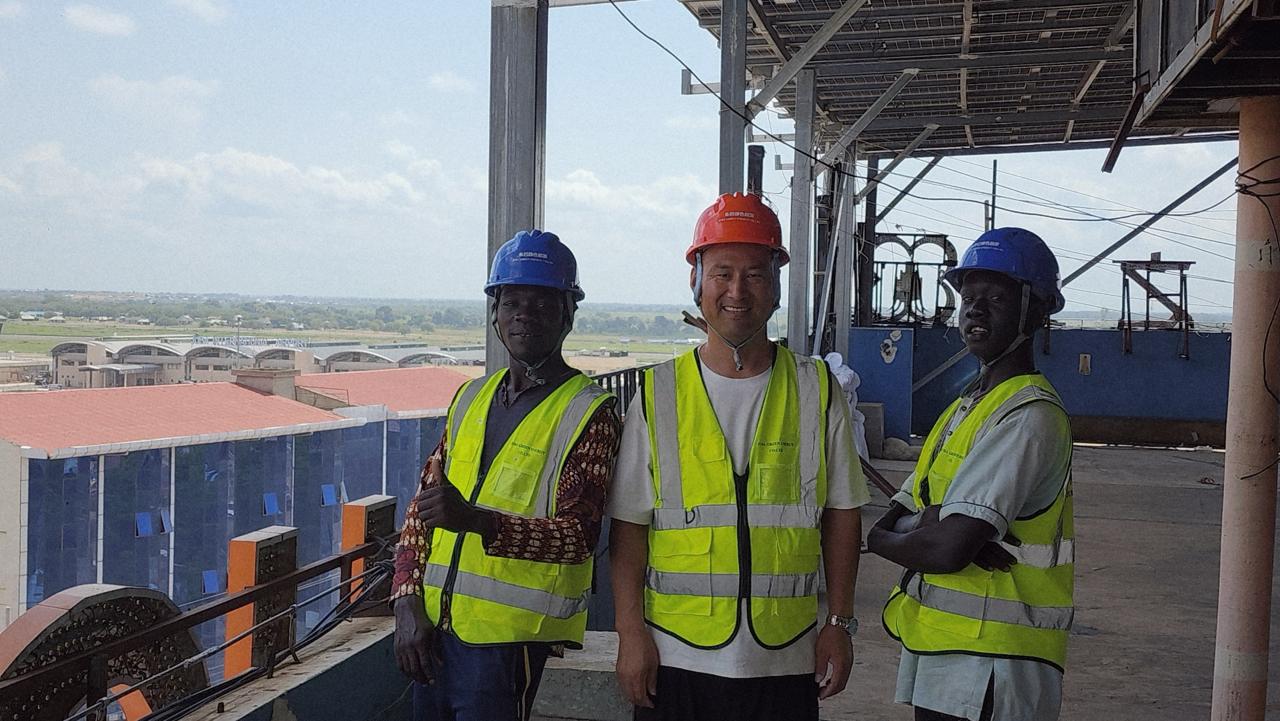
Field engineers inspecting an energy system
Site data → engineering design
04 / FIELDField capability

Design for the actual temperature, dust, logistics and maintenance environment.

The site survey records load, power sources, structure, space, cabling, temperature, dust, security, communications availability and maintenance access. Final design considers both equipment selection and long-term serviceability.

  • Load measurement and criticality classification
  • Structural and equipment-layout assessment
  • Grid and generator-condition record
  • Communications, security and environmental constraints
  • Maintenance access and spares strategy
  • Future growth and redundancy requirements