

Skip to content
Juba Green Energy
03 / TECHNOLOGYSystem technology

From component ratings to site operating logic

This page separates scheduled equipment, supplier reference material and general product capability so unverified specifications are not attributed to the final equipment.

Modular battery and power-conversion equipment

Field systems

Solar · Storage · Controls · O&M

01 / ARCHITECTUREHow the system works

Solar, storage, power conversion, backup and data operate as one loop.

Solar supports the load and charges the battery first; the inverter manages power conversion and source interaction; the monitoring gateway delivers measurements, status and alarms to operations teams.

Solar modules
DC protection
MPPT inverter
Critical load
Battery & BMS
Grid / generator
Site gateway
Operations cloud
02 / SCHEDULEScheduled equipment

Only the provided model and rating data is presented as scheduled.

Illustrative solar-module reference photo

Scheduled data

Solar modules

GCL-NT10/78GDF

Scheduled rating
640 W
Quantity
24 modules
Array capacity
15.36 kWp
Scheduled warranty
25 years

No parameters beyond model, scheduled rating, quantity, array capacity and scheduled warranty are attributed to this GCL model until its datasheet is confirmed.
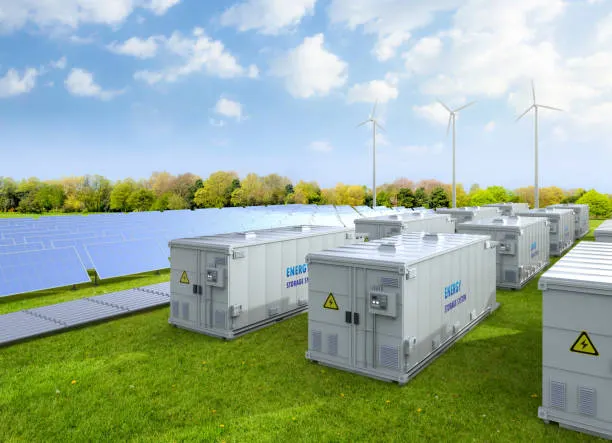
Illustrative battery energy-storage reference photo

Scheduled data

Battery storage

51.2V64KWH-01

Nominal voltage
51.2 V
Nominal energy
64 kWh
Quantity
1 system
Scheduled warranty
10 years

Amp-hour capacity, usable depth of discharge, cycle life, cell manufacturer, IP rating and communication protocols require the final datasheet.

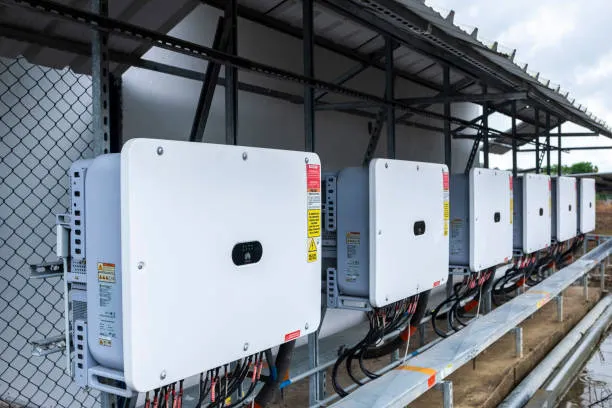
Illustrative inverter cabinet reference photo

Scheduled data

Inverter & power conversion

LABCT12KW-WIFI

Rated class
12 kW
Quantity
1 unit
Connectivity indication
Wi-Fi in model name
Scheduled warranty
5 years

The Anern EVO-L catalogue is an architecture reference, not the LABCT inverter datasheet.

03 / PVModule-technology reference

N-type, bifacial, double-glass architecture for high yield and demanding environments.

The SolaHestia HTS-132210RH 630–650 W series is presented as a supporting product-family reference. These data points must not be assigned automatically to the GCL-NT10/78GDF.

Supporting reference · not final datasheet
01

N-type monocrystalline technology

02

132 half-cell configuration

03

Bifacial double-glass construction

04

630–650 W product range

05

Maximum module efficiency up to 24.1%

06

Positive 0 to +5 W output tolerance

07

1,500 V DC maximum system voltage

08

-40°C to +85°C operating temperature

09

2,382 × 1,134 × 30 mm

10

Approximately 32.5 kg

11

15-year product / 30-year linear output warranty

Engineering benefits

  • Higher potential energy yield
  • Improved low-light performance
  • Reduced light-induced degradation
  • Better resistance to humidity, dust and harsh environments
  • Rear-side generation where site conditions permit
  • Support for longer operational-life design
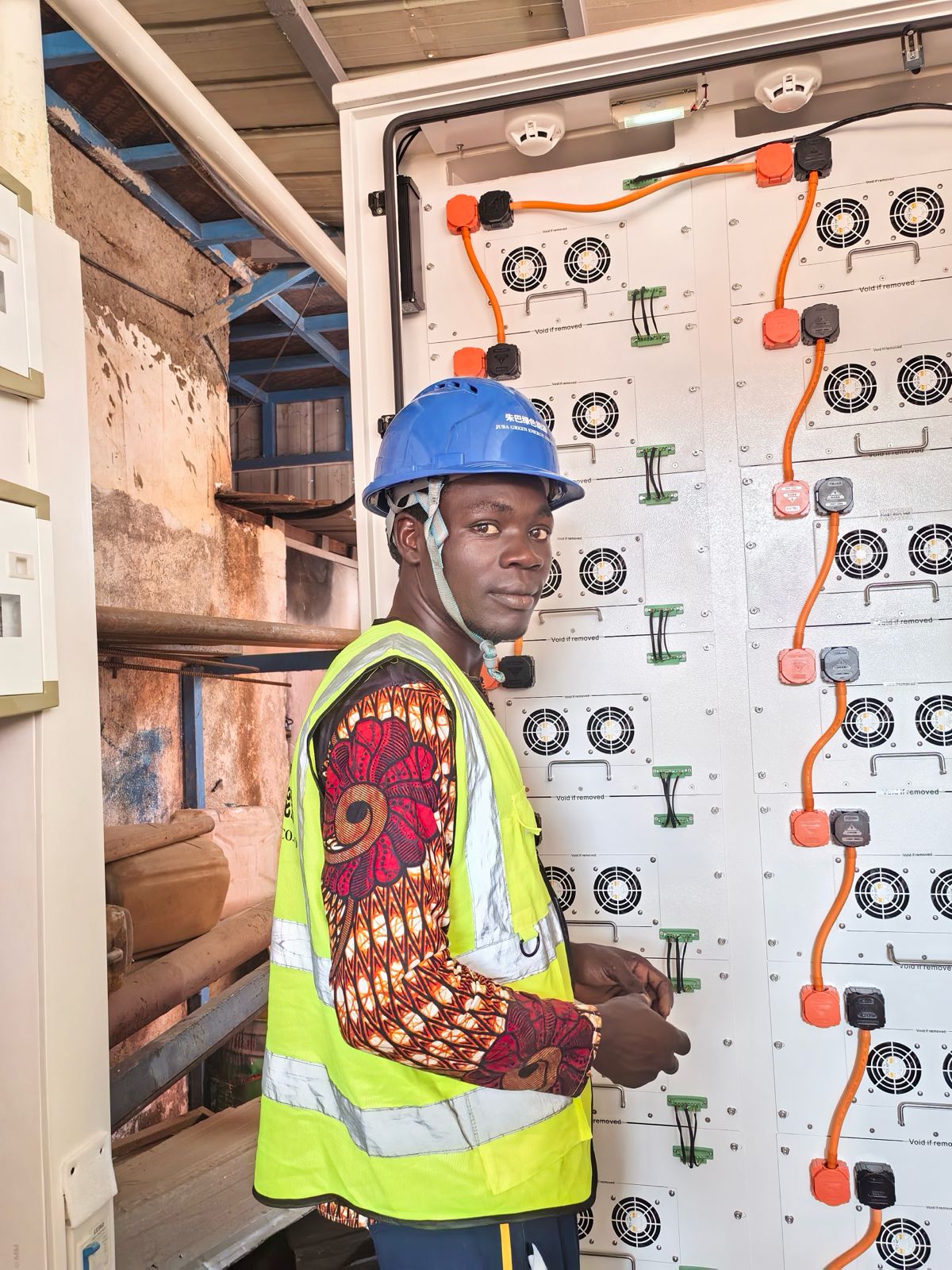
Battery cabinet with status indicators
BMS
Protection
Thermal
Comms
04 / BESSBattery-cabinet architecture

Protection, measurement and communication matter as much as the modules.

A typical cabinet integrates battery modules, BMS, main breaker, DC bus, temperature sensors, voltage and current measurement, state-of-charge estimation, communications gateway and cabinet-level status indicators inside a controlled enclosure.

05 / CALCULATORBattery-autonomy estimate

Convert rated energy into usable backup time.

Adjust the site assumptions to estimate autonomy at a given average load. This tool does not replace load measurement, manufacturer limits or engineering design.

Estimated usable energy

40.9kWh

64 × 80% × 94% × (1 − 15%)

Estimated autonomy

10.2hours

40.9 kWh ÷ 4.0 kW

06 / INVERTERPower conversion

The inverter connects energy sources, storage and load.

  • Convert PV and battery DC into usable AC
  • Track the optimum PV operating point through MPPT
  • Control battery charging
  • Manage grid or generator input
  • Transfer loads between available energy sources
  • Report measurements and alarms to the monitoring platform
  • Protect the system against abnormal operating conditions

Supporting reference · not final datasheet

Anern EVO-13200L architecture reference

01

Single-phase input and output

02

PV plus battery rated output: 13.2 kW

03

Battery rated output: 10.2 kW

04

Maximum PV input: 8,000 W + 8,000 W

05

Two MPPTs; 90–500 V DC operating range

06

48 V DC nominal battery voltage

07

160 A maximum solar charging current

08

Pure sine-wave and dual AC output

09

Lithium activation, optional Wi-Fi and anti-dust design

07 / REFERENCEReference configuration

24 × 640 W modules, 12 kW inverter and 64 kWh battery.

The PV-to-inverter DC/AC ratio is approximately 1.28. This configuration explains system relationships; it is not a final design for any site.

15.36

kWp PV

12

kW class

64

kWh

15.36 kWp PV
12 kW MPPT
Site load
64 kWh BESS
Grid / generator
Monitoring

Final sizing dependencies

  • Site load profile
  • Daytime and nighttime demand
  • Solar irradiation
  • Required autonomy
  • Grid and generator availability
  • Space and structural conditions
  • Temperature and dust
  • Critical-load classification
  • Redundancy requirement
  • Future growth
Request a system-design assessment